Springfield OR Roof Pros: Roof Replacement, Repair and Storm Work in Lane County
Expert residential and commercial roofing services. Free attic-and-roof inspections across Lane County, with the deck condition written into every estimate.
- ✓Licensed with the Oregon Construction Contractors Board, with the CCB number shown as the rule requires
- ✓Every estimate names the deck: what it is, how many layers sit on it, and what the sheathing will cost
- ✓Attic inspection and a photographed written report on every visit, whether or not there is work in it
- ✓No door-knocking after storms, and no pressure to replace a roof that is still doing its job
Springfield OR Roof Pros is a licensed, insured roofing contractor in Springfield, Oregon, handling roof replacement, leak repair, storm and wind damage, metal and low-slope systems, ventilation and commercial work across Lane County. Architectural asphalt shingle, twenty-four gauge standing seam, single-ply membrane, and the flashing details that hold all of them together.
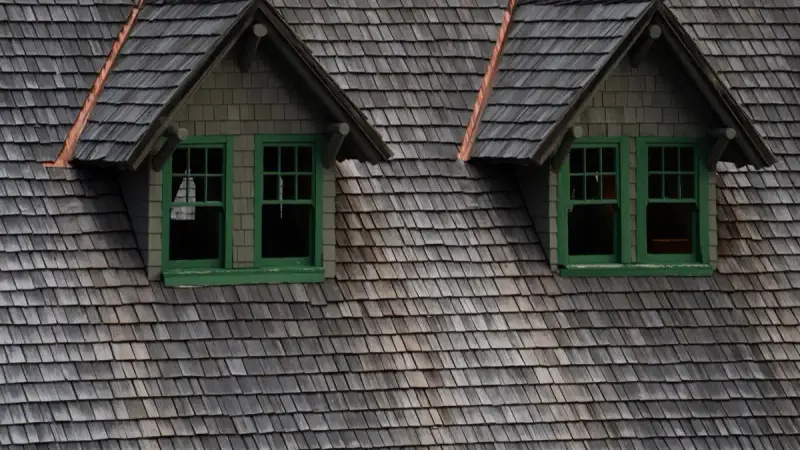
What separates a long roof from a short one here is usually not the shingle. It is the deck underneath. Springfield was built by its mills, and a large share of its houses still sit on old-growth Douglas fir plank and skip sheathing laid when cedar shake was the local roof. That decking decides whether a fastener holds, whether the assembly can breathe, and what a replacement genuinely costs.
So every estimate we write starts under the roof. We read the deck from the attic, count the ventilation path, photograph what we find, and put the sheathing decision on the proposal as a figure rather than discovering it on tear-off morning. Free inspections throughout Lane County, written findings either way, and a plain recommendation when the honest answer is that your roof does not need replacing yet.
Why Springfield Chooses Springfield OR Roof Pros
- ✓We read the deck from inside the attic before we price the covering, because on a house built for the mills the sheathing decides the job and the shingle barely does.
- ✓We will not lay composition over an old cedar shake roof. Shakes were built to dry from both faces, and sealing the upper one turns a century-old deck into a compost layer.
- ✓When we overlay a skip-sheathed deck we redesign the ventilation with it, because those gaps between the boards were the roof's air supply and new sheathing ends that.
- ✓We repair old-growth fir fascia rather than wrapping it in aluminum coil, because the wood on these houses is better than its replacement and coil hides rot instead of stopping it.
- ✓We diagnose leaks in the rain between November and March and schedule the permanent repair for the dry months, instead of guessing on a warm deck in August.
- ✓We talk homeowners out of hail claims here, because damaging hail falls east of the Cascades and what gets pointed at on Lane County roofs is almost always age.
About Springfield OR Roof Pros in Springfield, OR
Springfield OR Roof Pros works Springfield, Eugene and the smaller Lane County towns around them, on houses that were largely built by the timber industry that built the town. Elias Briggs dug the mill race in 1852, Booth-Kelly's mill opened in 1902, and Weyerhaeuser followed. The housing that grew around those payrolls was framed and roofed out of what the mills cut.
That inheritance is why we scope roofs the way we do. Old-growth plank and skip-sheathed decks, full-dimension rafters, clear vertical-grain fir fascia and original cedar shake still sitting under two layers of composition are all normal findings here. They change the fastener, the ventilation plan, the cost and sometimes the answer, so we read them first and price second.
When you should not hire us: if your roof has years left and only needs a cleaning and a pipe boot, we will quote exactly that and nothing more. We also decline work we think is wrong, including coating a shingle roof, laying composition over cedar, and tile conversions on mill-era framing without an engineer's review. Those refusals cost us jobs and we keep making them.
What Springfield OR Roof Pros Handles in Springfield, OR
Roof Replacement
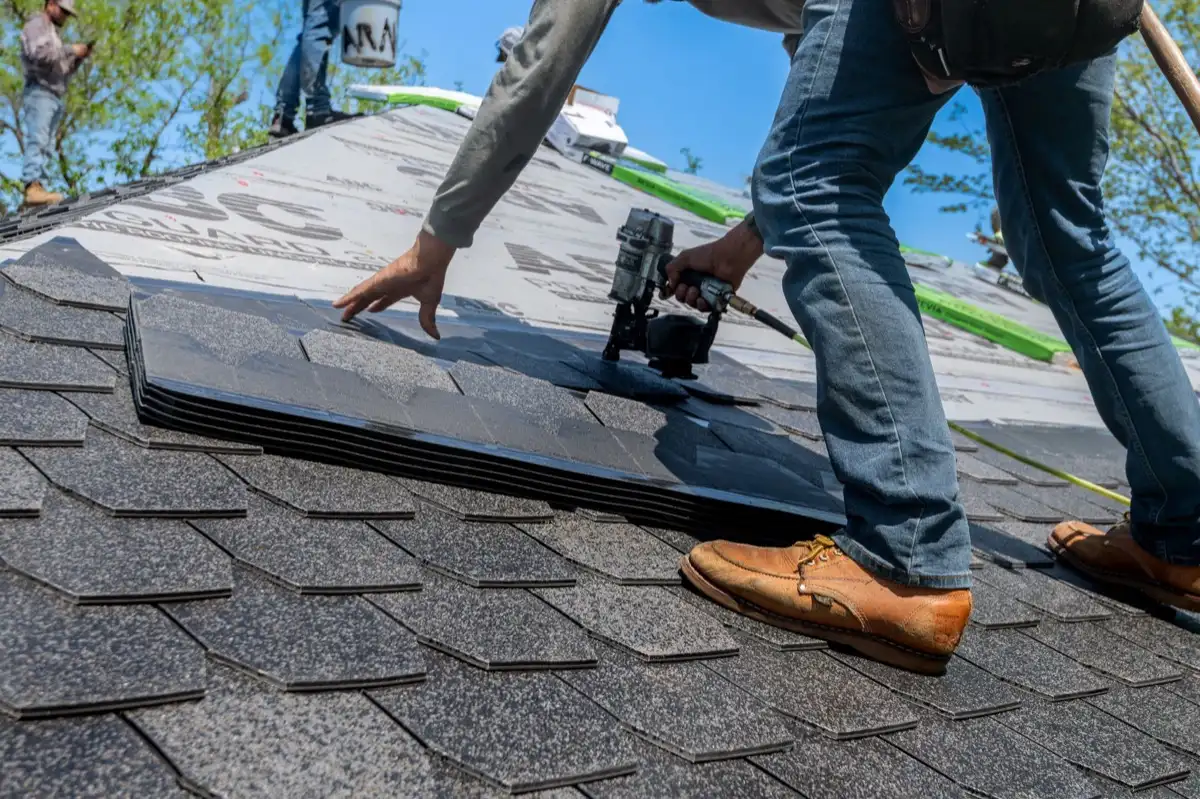
Most of the money in a Lane County re-roof gets decided before a single bundle of shingles reaches the ground. What the old covering is fastened to sets the price, and on Springfield's mill-era houses that is very often not plywood.
Roof Leak Repair
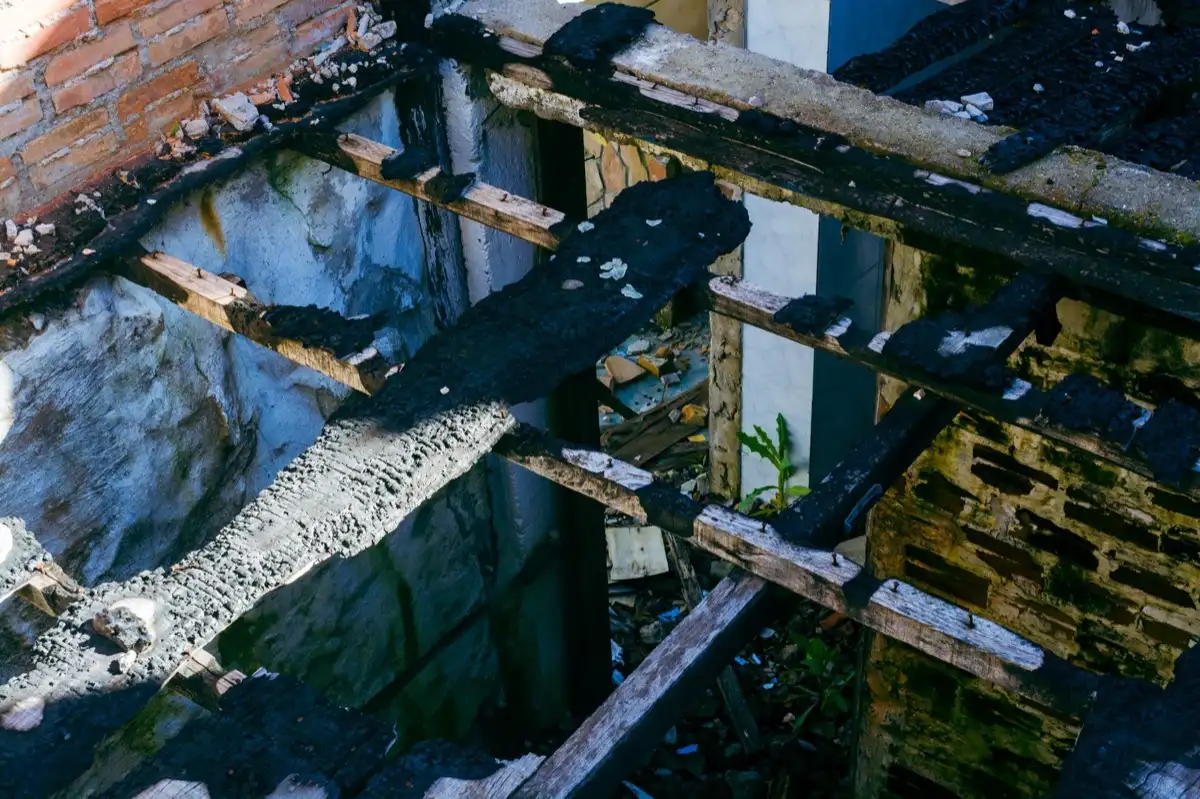
Leak season and repair season run opposite each other in Lane County. The Eugene-Springfield normal is roughly forty-one inches a year, but July averages under half an inch and December over seven, so the months when a leak shows itself are the months when a permanent fix cannot cure.
Storm Damage Restoration
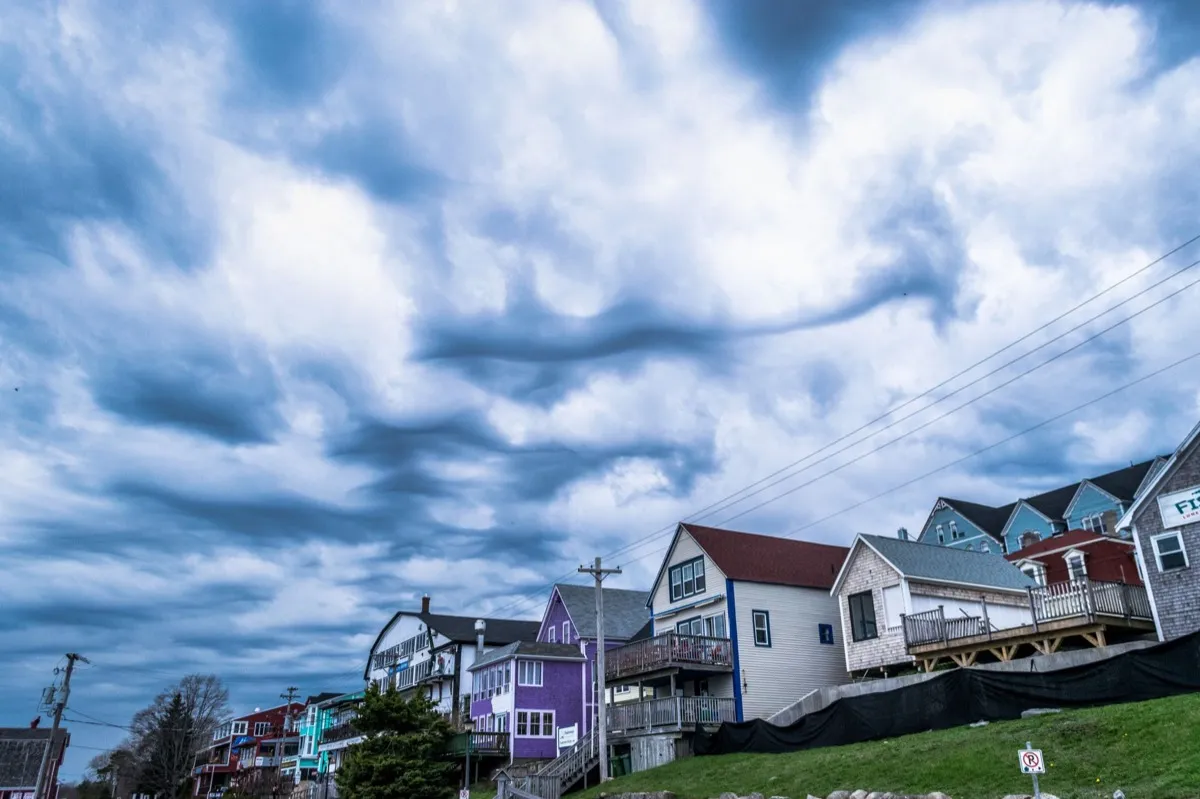
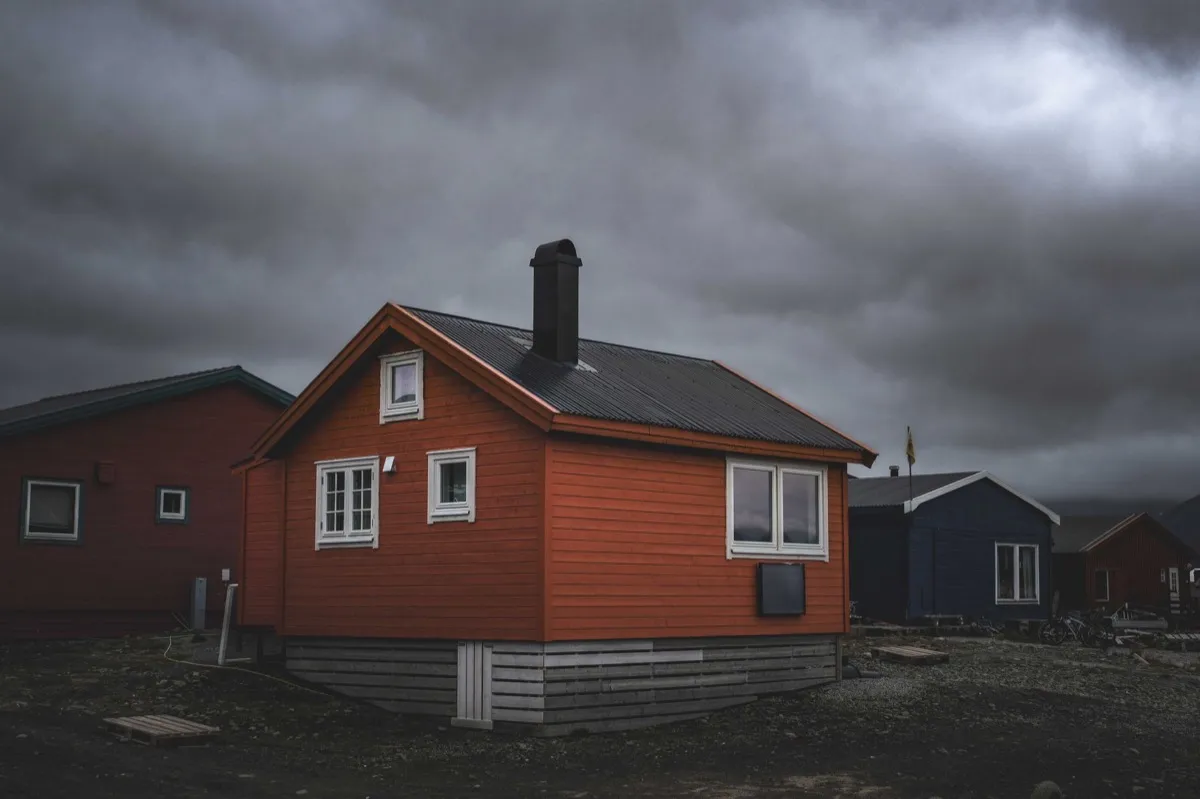
Storm damage in Springfield is usually falling wood rather than flying shingles. The valley grows very large trees very close to houses, so the roofs we open after a storm are punctured instead of stripped.
Hail Damage Roofing
This is the page where we talk most Lane County homeowners out of a claim. Damaging hail is genuinely rare west of the Cascades, and nearly everything called hail damage in Lane County turns out to be a roof that has simply finished its working life.
Wind Damage Roofing
Wind is the peril that genuinely does damage in the Willamette Valley. It arrives from the south-southwest with the winter fronts and runs up the length of the Willamette Valley rather than across it, and Springfield sits near the narrow end of that funnel.
Roof Inspections
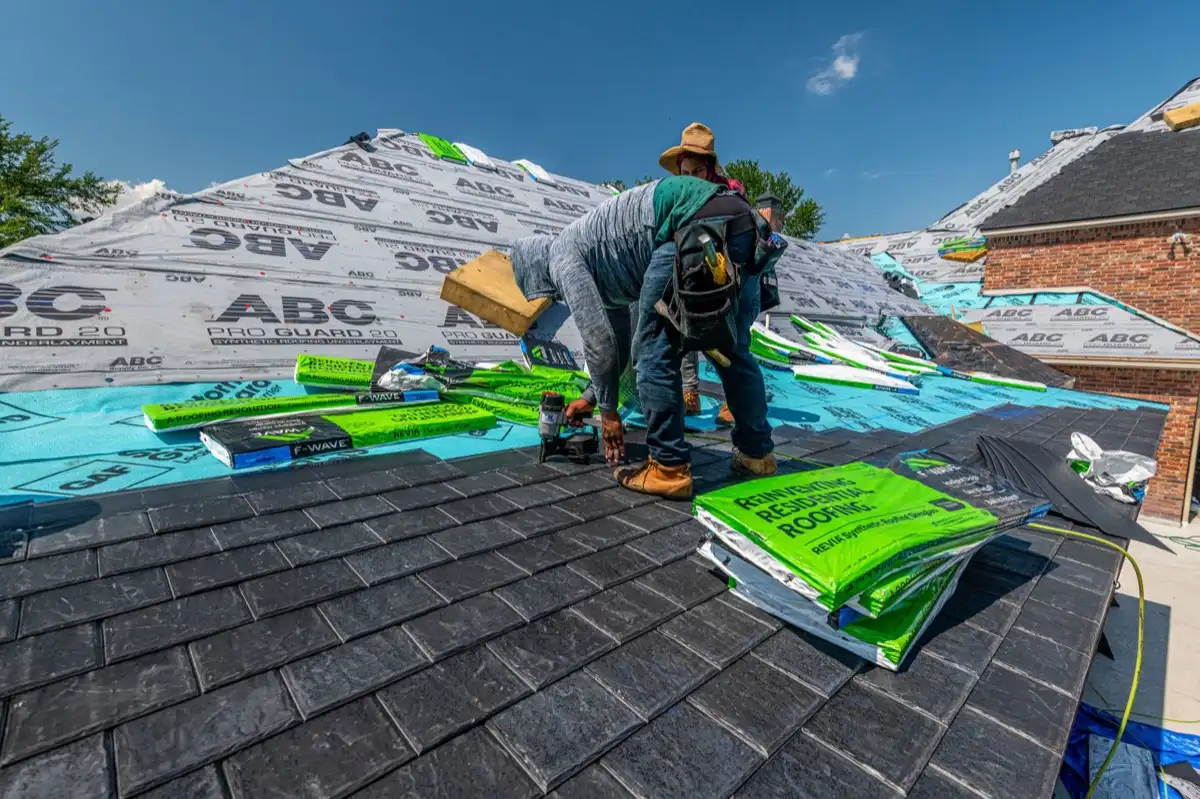
Our Lane County inspections begin in the attic and finish on the roof, which is the opposite of how most of them run. On a Springfield house of any age the underside of the deck is where the history is written, and the shingles are the least informative surface available.
Asphalt Shingle Roofs
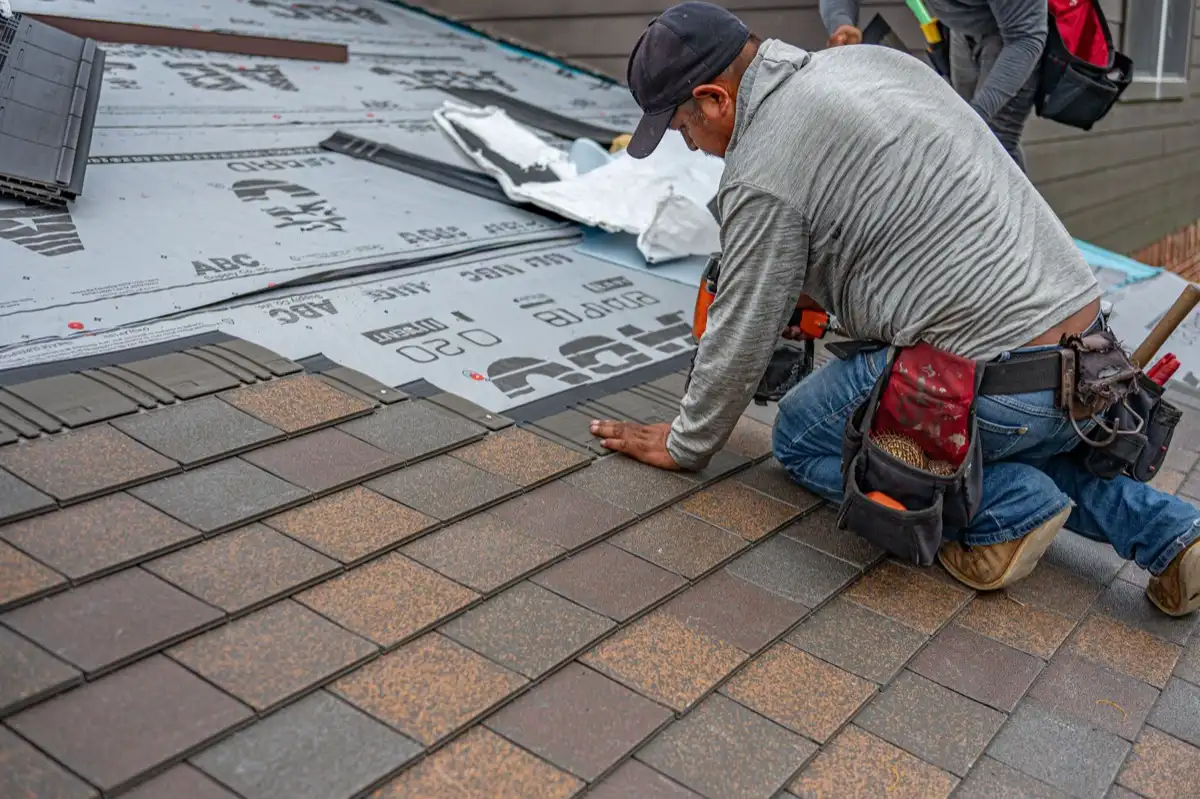
Asphalt covers most of Springfield and it is the right answer for most of it. The interesting decisions all sit underneath: what the nails land in, how many layers came before, and whether the deck can be trusted to hold anything at all.

Metal Roofing
Metal suits Springfield, Oregon. Springfield has worn it on mill buildings, equipment sheds and shop roofs since the Booth-Kelly days, and on the right house in Lane County a standing seam roof is the last covering that house will ever need.
Tile Roofing
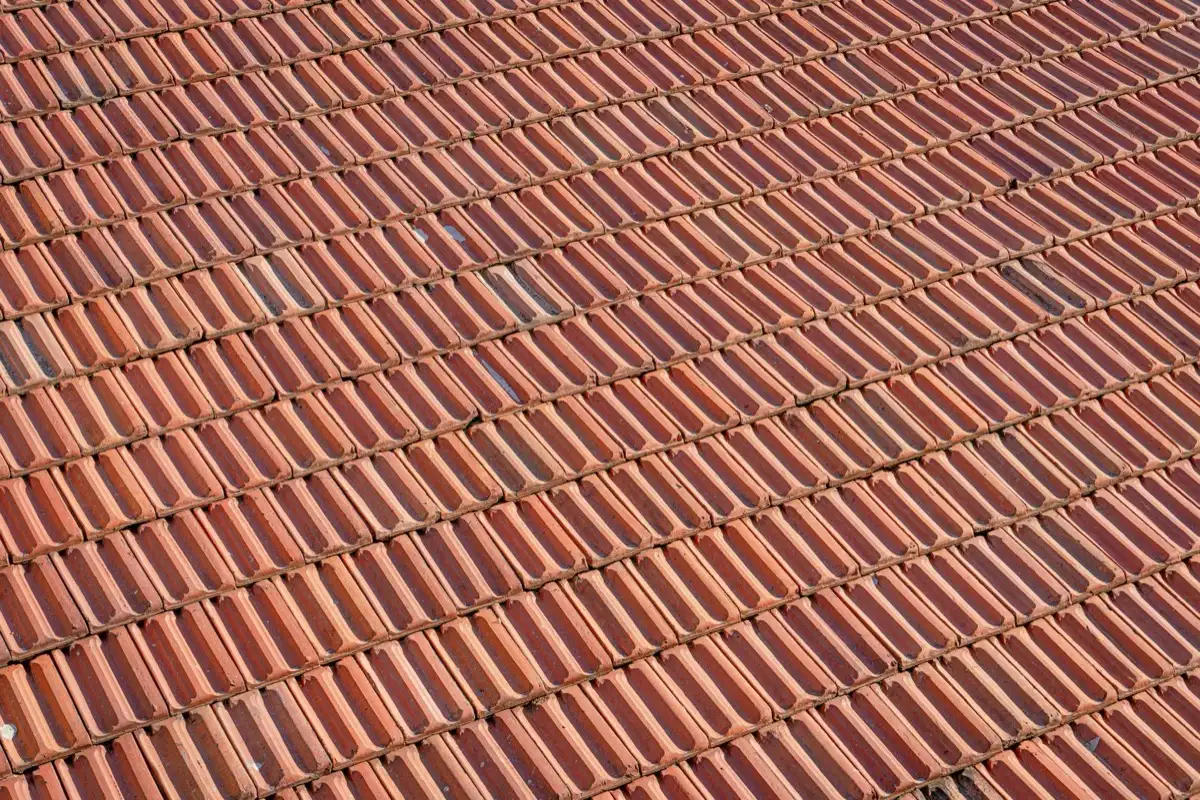
We install tile in Lane County and we turn a fair amount of it down, and the reason is almost never the tile. It is what the tile has to lie on, and on Springfield's older housing stock that is rarely flat enough to work with.

Flat & Low-Slope Roofing
Low-slope roofing in Springfield sits on wood far more often than on steel. The mill and warehouse stock along the mill race and the older Main Street commercial blocks are decked in tongue-and-groove planking over heavy timber, and that changes the whole conversation.
Roof Coatings & Sealing
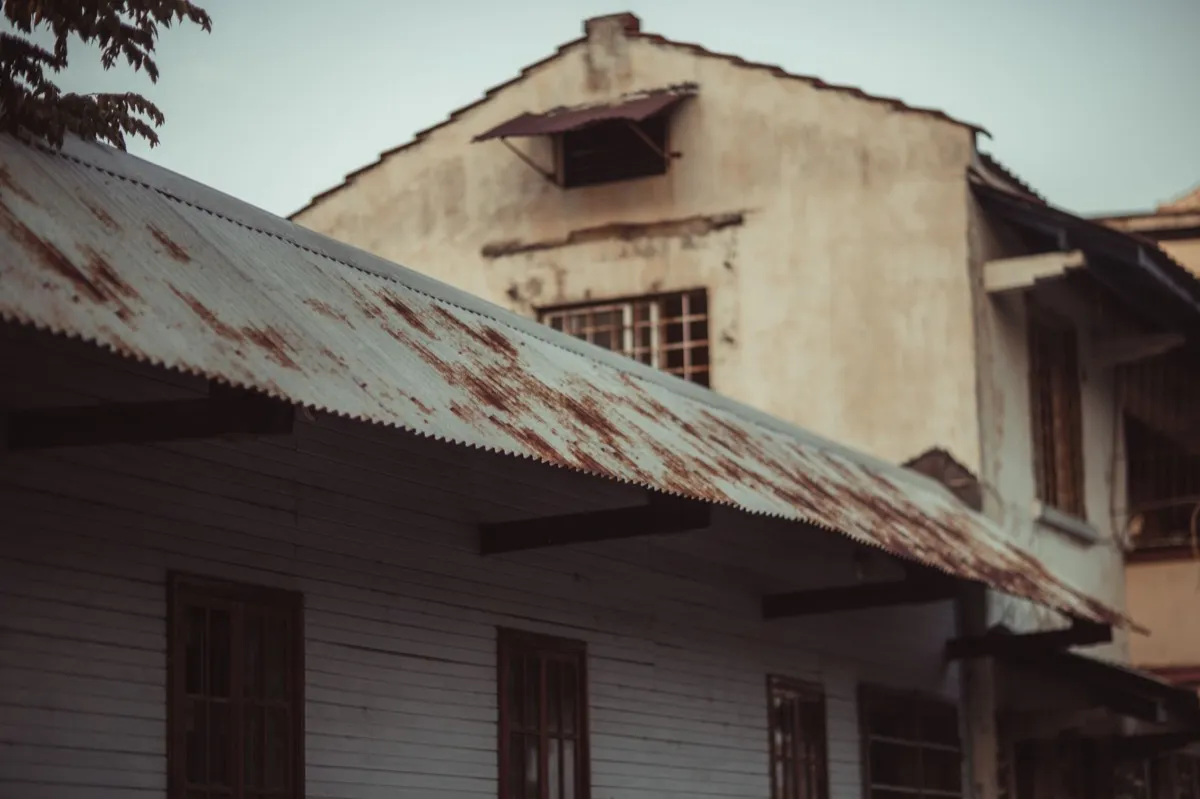
There is a short list of roofs in Lane County that a coating genuinely helps, and residential asphalt shingle is not on it. We will not spray your composition roof, whatever the flyer that came through the door last week promised you.
Roof Ventilation
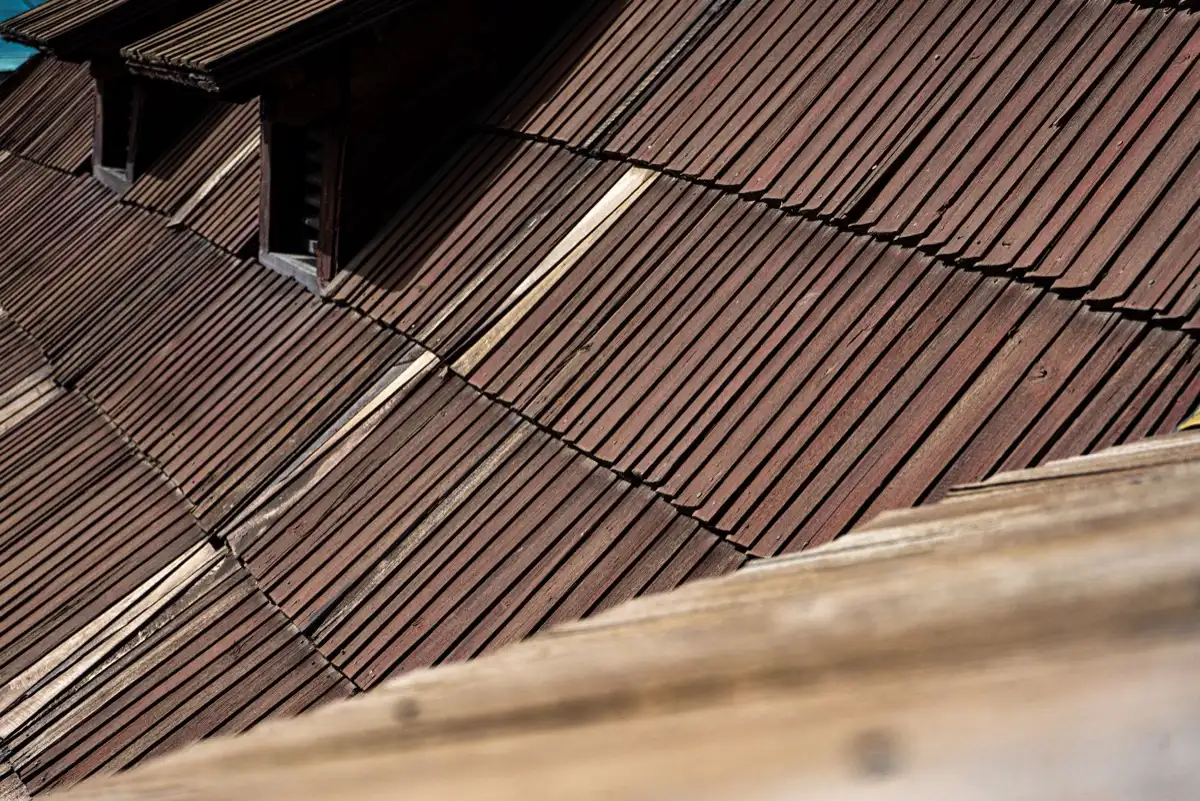
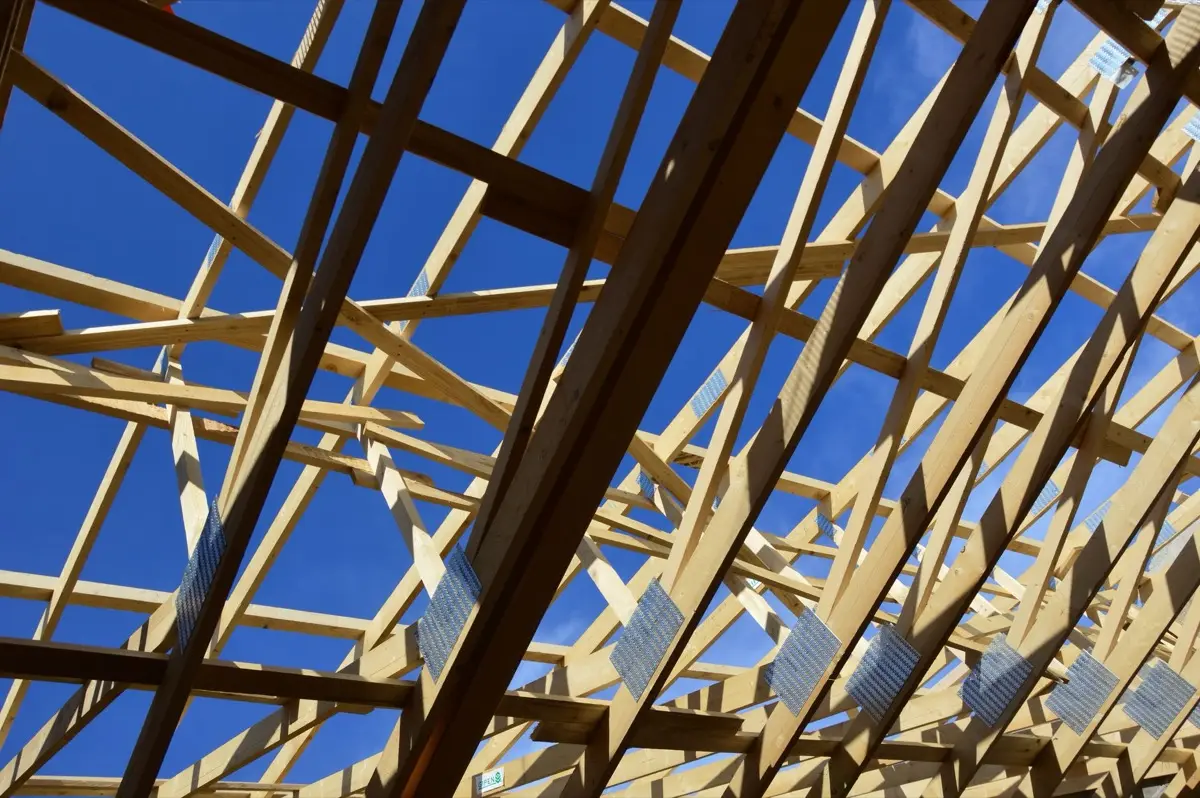
Here is what almost nobody mentions when they overlay a Springfield roof deck. Skip sheathing was a ventilated deck.
Skylights
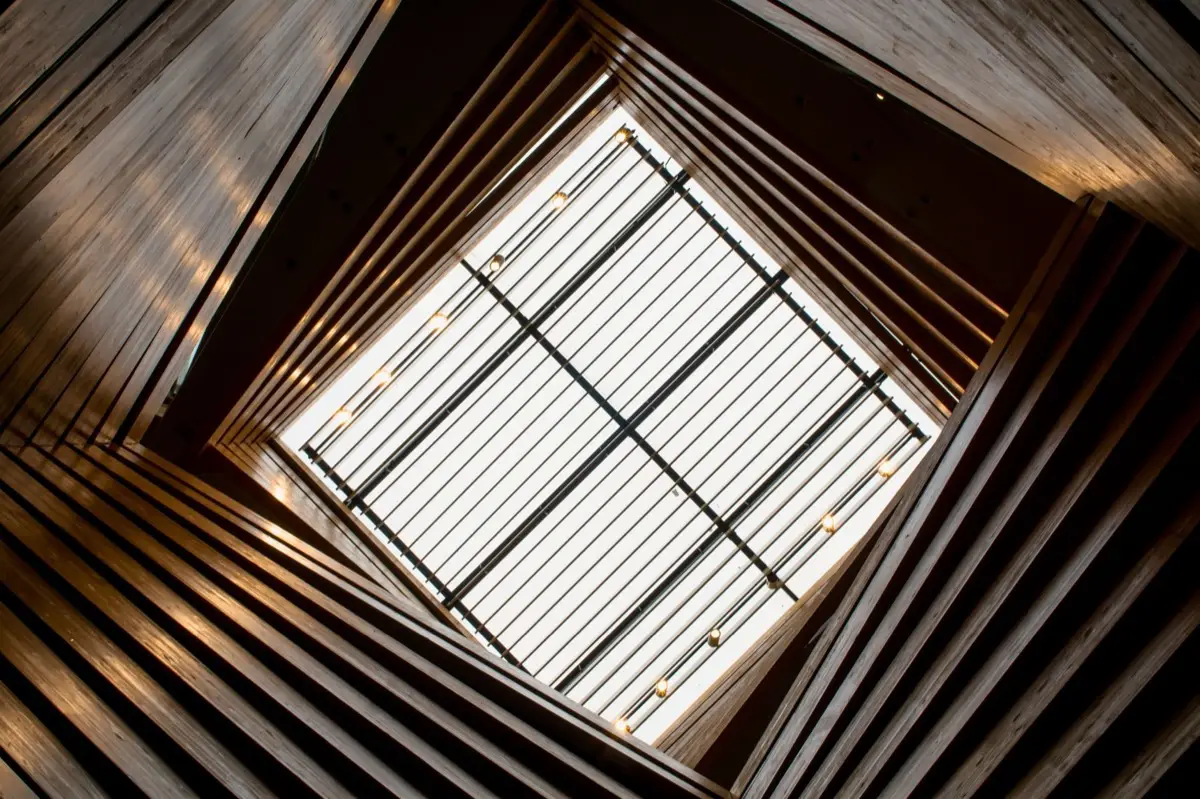
Cutting a skylight into a mill-era Springfield roof is a framing job with a glass unit at the end of it. The boards over the rafters are structural in a way modern sheathing is not, and that changes both what the work costs and who ought to be doing it.
Fascia & Soffit
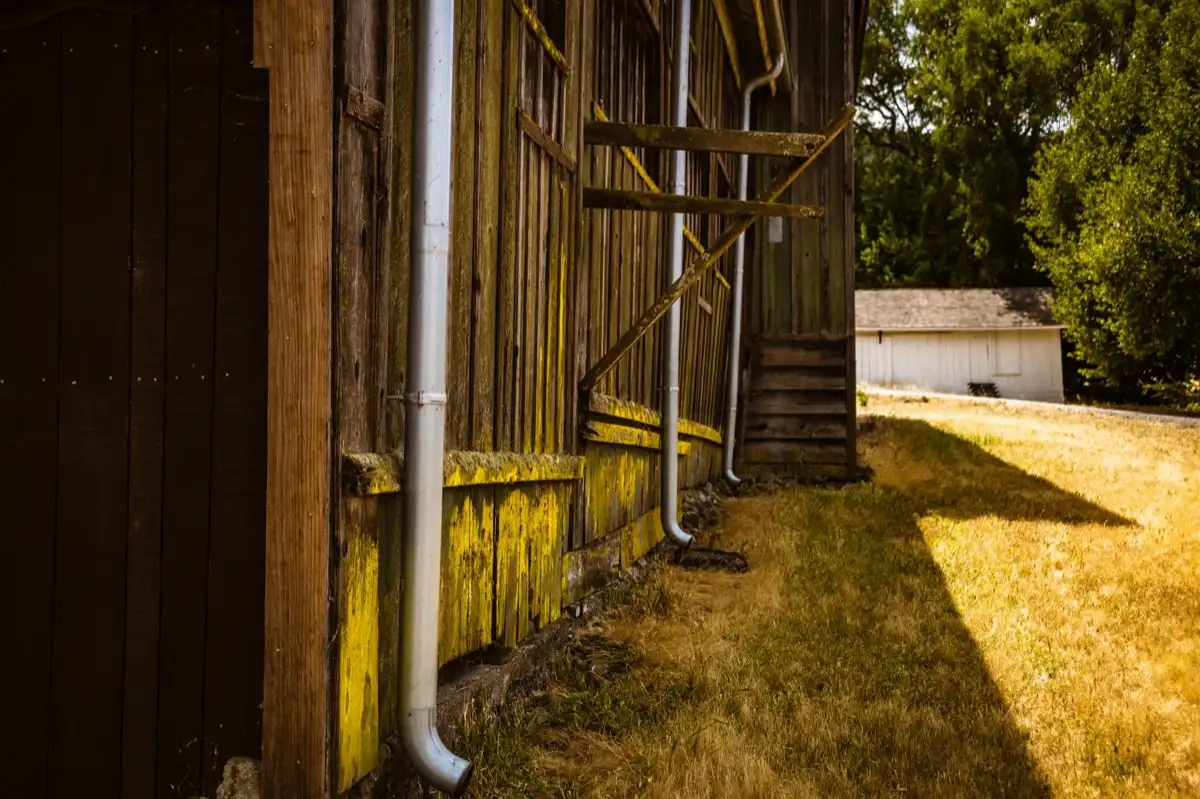
On this page we argue against the thing most Lane County roofing companies would rather sell you. Old-growth fir fascia on a Springfield house is better wood than anything you can buy in Lane County today, and wrapping it in aluminum coil is usually the wrong answer.

Chimney Flashing
A chimney on a Springfield house is often the only masonry on a building made entirely of wood, and after a century of wet Lane County winters the leak is frequently in the brick itself rather than in the metal wrapped around it. Soft brick and lime mortar were the ordinary materials here, and they take on water much the way a sponge does.

Commercial Roofing
Springfield has two commercial roofing markets and they have very little in common. One is the old timber-decked mill and warehouse stock.

Insurance Claim Help
Most roof problems in Lane County are not insurance claims, and knowing which is which before you pick up the phone is worth more than anything we could do for you afterwards. Wear is excluded everywhere, and wear is what this climate mostly produces.
Commercial Roofing in Springfield, OR and Across Lane County
We roof the two commercial Springfields: the timber-decked mill, warehouse and Main Street stock built when the lumber industry ran this town, and the newer steel-decked retail, medical and light-industrial buildings out toward Gateway and RiverBend. Those are different roofs with different failure modes, and we survey each of them before proposing anything.
- ✓Core cuts on every recover proposal, with the plug handed over rather than summarized
- ✓Level surveys on old plank decks, because the original drains rarely sit at the low point now
- ✓Cover boards between membrane and planking so seasonal board movement does not work the seams
- ✓60 and 80 mil single ply, mechanically attached or adhered to suit the deck and the exposure
- ✓Numbered roof plans with every penetration, curb and drain located and photographed
- ✓Scheduled clean-outs before and after the wet season, written into the maintenance agreement
- ✓Walkway pads under rooftop equipment where crews have been crossing bare membrane
- ✓Phased schedules agreed before pricing, so occupied buildings are not surprised mid-job
Recent Projects Across Lane County and the south Willamette Valley
Full gallery →How It Works
- We Start Under the Roof. We start below the insulation with a work light and read the deck: board width, gap spacing, shake nail rows, daylight, old rust haloes and the state of the intake. On a Springfield house that half hour decides most of the price.
- The Sheathing Decision, in Writing. You get a written scope that names the deck, the layer count and exactly what the overlay or re-deck will cost, before you sign anything. It is the largest variable in the job, and it belongs on the proposal rather than in a change order.
- Tear-Off, Deck, Then Covering. We strip to the boards, correct the deck, then build the ventilation path and the flashings before the field goes on. Valleys, wall junctions and penetrations are detailed first, because those are the places this valley finds every winter.
- Photographs, Warranty and a Callback Date. You get dated photographs of the deck, the underlayment and the finished details, a written workmanship warranty, and a date to have us look again. We would rather come back for ten minutes than have you wondering in February.
What Springfield Customers Say
Two other companies quoted a tear-off without going in the attic. These guys found skip sheathing under the shingles and told us the deck overlay was most of the cost. The number on the proposal was the number on the invoice.
They talked me out of wrapping my fascia and repaired the four bad sections instead. Spliced, primed on every face, painted. Cost less than half the wrap quote and the boards look better than the vinyl would have.
Came out during a January storm to find a leak two other roofers could not locate in dry weather. It was running four feet along a plank before it dropped. Fixed for a few hundred dollars, not a new roof.
After the ice storm we had a limb through the back slope. They tarped to the rafters that evening, photographed everything for the adjuster, and were straight with us that the front slope damage was just age and not worth claiming.
Communities We Serve
Springfield OR Roof Pros serves Springfield, OR and surrounding communities including:
Frequently Asked Questions
Do Springfield and Eugene have different roofing rules?
Essentially no, and that surprises people who expect twin cities to diverge. Oregon's building code is uniform statewide under ORS 455.040, so both cities enforce the same Oregon Residential Specialty Code, and contractor licensing is handled at state level by the CCB rather than by municipal registration. The practical difference is only which office issues your permit: Springfield's own Development and Public Works counter on Fifth Street, or Eugene's. The code text behind the permit is identical.
What is skip sheathing, and why does it change my quote?
Skip sheathing is roof decking made of one-by boards laid with gaps between them, which is how cedar shake roofs were built in this town for decades. Composition shingles cannot span those gaps and a nail driven into one holds nothing, so the deck has to be overlaid with new sheathing or replaced. That is a real cost, it is not optional, and any quote that does not tell you which one it assumes is not really a quote.
Is hail damage worth claiming in Lane County?
Usually not. Western Oregon valleys average only four or five thunderstorm days a year and the hail that damages roofs in this state falls east of the Cascades. Most of what gets sold as hail damage here is even granule loss from age or blistering from a hot, under-vented attic. We will inspect and document it either way, but if we do not see impact we will tell you so before you file rather than after a denial.
What time of year should a Springfield, OR roof be replaced?
Late June through September, comfortably. The Eugene-Springfield normal is about forty-one inches of rain a year, but July averages under half an inch while December averages over seven, so summer gives dry decking and enough sun for shingle seal strips to bond within days. We work year-round because roofs do not fail on a schedule, and if yours can wait for July we will say so.
Does Oregon license roofing contractors?
Yes. Every construction contractor working in Oregon must be licensed with the Construction Contractors Board and must carry the surety bond and liability insurance the CCB requires. You can look any company up by number on the CCB's public search. Oregon rules also require the CCB number to appear in advertising, including on a contractor's website, so a roofing site without one visible is worth a second look.
Which towns around Springfield, OR do you cover?
All of the Eugene-Springfield metro plus the smaller communities across Lane County: Coburg, Creswell, Cottage Grove, Junction City, Veneta, Elmira, Jasper, Dexter, Lowell, Marcola, Oakridge and Westfir. We also work north into Linn County towns like Harrisburg, Brownsville, Sweet Home and Lebanon, and south to Drain. If you are not sure, call and ask, because we will tell you plainly when you are outside our range.